
Selecting Optimal Sheet Metal Deburring Machines: An ISO-Compliant Guide to Types & Capabilities
We need to remove sharp edges from sheet metal products,
In Metal machine Plasma cutting and Flame cutting and laser cutting process,
Metal deburring machines compared with manual deburring, Based on your specifications this is the breakdown:
| Machine Type | Ideal Materials | Key Advantages | Main Limitation |
|---|---|---|---|
| Wet Deburring | Aluminum, Stainless, Titanium | No dust, Superior cooling | High maintenance cost |
| Dry Deburring | Carbon Steel, Heavy Slag | Lower cost, High efficiency | Heat & Dust generation |
| Wide-Belt Sander | Flat Sheets, Large Volumes | Consistent edge rounding | Limited for 3D parts |
| Vibratory Finisher | Small Parts, Complex Shapes | Bulk processing, Uniformity | Longer cycle times |
1. Number of Sheet Metal Parts to be deburred
· Low Volume (Small Batch Sizes):
When deburring a couple of sheet steel parts at the same time. Manual deburring devices consisting of sandpaper, hand documents, or deburring blades
That be adequate for low-volume manufacturing. These surface finishing devices are wonderful when you require to remove burrs as they are both functional and economical.
-
Medium Volume:
Manufacturers generally use sheet metal deburring in medium-volume manufacturing situations when they have a modest amount of sheet metal components that require deburring. Resonance is an effective device for burr removal, They give an affordable option while keeping high throughput. and also this equipment can adjust to a large range of component dimensions.
· High Volume:
High-volume metal manufacturing commonly utilizes rotating deburring machines to efficiently and continue deburr sheet metal parts. To effectively and also promptly deburr components, these devices make use of transforming brushes or unpleasant wheels. Their high throughput capability and also continual procedure style make them suitable.
2. Type of Sheets to be Deburred
· Material:
The sheet metal products issues when selecting deburring equipment. To prevent harming softer steels like lightweight aluminum which flexes extra conveniently, use milder deburring treatments. Tougher steels like stainless steel might require extra hostile deburring to remove burrs.
· Thickness:
The sheet metal thickness impacts the burring device selection. Slimmer sheets might be much more susceptible to extreme deburring whereas thicker sheets might require more powerful reducing devices. Matching the device's capacities to sheet steel density enables optimum deburring without product damage.
3. Single or double-sided deburring?
· Single-Sided Deburring:
One-sided deburring devices deburr one side of a sheet steel productor small parts. When there are restrictions on working space, using vibratory deburring machine is excellent. For some objectives, these devices are less complex and more affordable.
· Double-Sided Automated Deburring:
Double-sided deburring tools can deburr both sides of a sheet steel thing. Because they refine components faster than single-sided makers, they enhance efficiency. Double-sided deburring is fit for applications require high quality deburring on both sides of the sheet metal.
· Consideration:
Consider your application's requirements while selecting single- or double-sided deburring. A double-sided maker might be much better for deburring both sides of a thing for high quality or looks. If just one side requires deburring or expense is a concern a single-sided equipment might function.
4. Power and processing ability
-
Power:
A deburring machine's power is its capability to eliminate burrs from sheet steel components effectively. Greater power devices can deal with thicker products, extra serious deburring because of more powerful electric motors or systems.
-
Processing Ability:
Handling capability consists of throughput, cycle time, and also deburring equipment effectiveness. High-volume production settings fit equipment with higher handling rates that can take care of even more components in much less time.
-
Consideration:
When choosing a deburring machine power and also handling capacity take into consideration sheet steel element density, product, coupled with manufacturing quantity.
Select adequate power as well as handling to fit your application's requirements without shedding top quality or effectiveness.
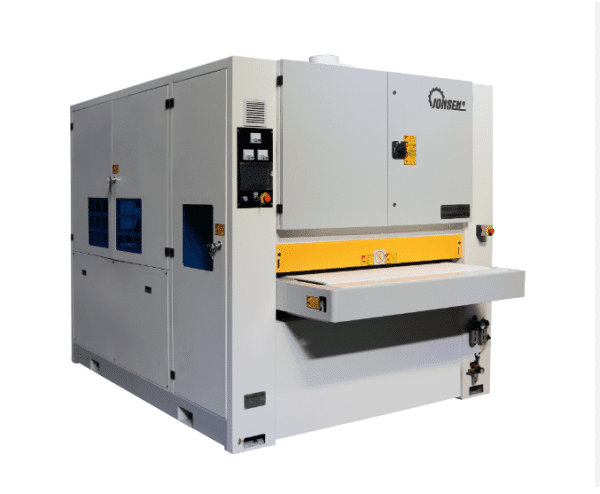
5. The choice and influence of the abrasive
-
InAbrasive Types:
Deburring tools use abrasive belts wheel brushes, Abrasives have diverse properties and find application in various deburring process.
-
Influence on the Deburring Process:
Abrasives influence deburring rate, surface area coating as well as device life.
Abrasives is must for deburring thicker or harder products.
-
Consideration:
Select a deburring maker rough based on sheet steel component product, thickness together with coating. Select an unpleasant that collaborates with your product along with deburrs effectively.
By carefully considering these factors:
√ Number of parts,
√ Type of sheets,
√ Single or double-sided deburring,
√ Power and processing ability,
√ Choice and influence abrasive
In one word, we Armpro can supply you deburring solution for your sheet metal work and machine process.
FAQ
Get a Precision Deburring Solution
Expert consultation within 24 hours. Boost your finishing efficiency today.