
Chamfer vs. Bevel: The Definitive Engineering Guide for Precision Machining (2026 Edition)
When to Use a Chamfer vs. a Bevel in Industrial Manufacturing
Introduction
In the world of high-precision manufacturing, the distinction between a chamfer and a bevel is far more than just semantic—it’s a critical engineering decision that affects part functionality, assembly speed, and structural integrity. Whether you are optimizing a gear design for the latest EV powertrain or preparing heavy plates for weld preparation, choosing the wrong edge profile can lead to excessive stress concentration or costly assembly interference.
While both involve removing a sharp 90-degree corner, their geometric applications and machining processes differ significantly. A standard 45-degree chamfer is often the go-to for deburring and easing component entry, whereas a variable angle bevel is the backbone of robust industrial joinery. In this 2026 definitive guide, we break down the difference between chamfer and bevel, exploring their technical specifications, stress distribution profiles, and the specialized gear chamfering machines required to achieve consistent, high-volume results.

| Feature / | Chamfer | Bevel |
|---|---|---|
| Definition | A symmetrical sloped edge, typically cut at 45°. | A slope that joins two surfaces at any angle other than 90°. |
| Primary Goal | Deburring, safety, and easing assembly (lead-in). | Welding preparation, aesthetics, and structural joinery. |
| Typical Angle | Fixed (standardized at 45°). | Variable (customizable based on weld specs). |
| Stress Distribution | Moderate (creates two smaller edges). | Smoother load distribution across the entire slope. |
| Machining Tool | Chamfering Mill, Countersink, or specialized Gear Chamfering Machine. | Beveling Machine, Angle Grinder, or Plasma/Oxy-fuel cutters. |
* Data source: Armpre Precision Manufacturing Engineering Standards 2026.
1. What is Chamfer?
To start with, we will first discuss chamfer's meaning. A chamfer is defined as an angle which is cut at the edge or corner of a part, usually at 45 degrees, but has some variations in it. The purpose of the chamfer is very simple: to make the part safer by removing sharp corners or edges and making it easier to fit with other pieces.
For clean and safe edges, a chamfer system will be used in industries like manufacturing, construction, and even woodworking. A professional finish for your project comes from consistency through and through for all parts or edges, and this system ensures chamfering for all of them combined.
The chamfer system becomes essential during projects where precision and safety matters. Assembly with such parts needs to ensure a smooth fit or prepare metal for threading, making all the involved processes easier and safer with a chamfer.
Using a chamfer system guarantees that every part has the same angle and that your project will achieve consistency and uniformity.
2. Chamfer Application
Who uses the chamfer system? The simple answer: professionals in many industries.
Here are just some relevant examples of chamfer uses:
- Machinists: Prepping holes and edges for assembly or threading, especially useful for creating pieces that will fit together within complex assemblies.
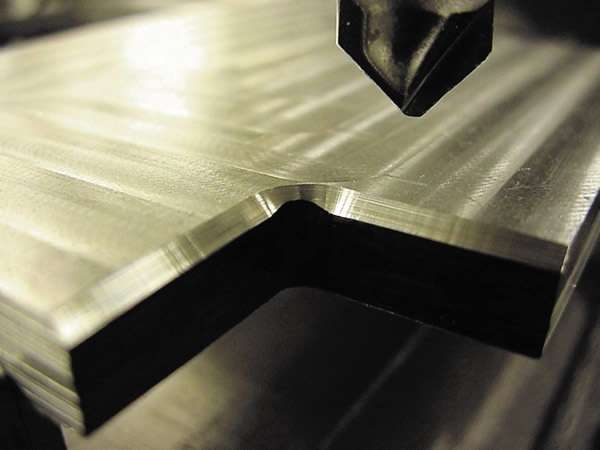
- Engineers: Generally, a chamfer is included in CAD designs for easy assembly and protection from damaging parts.
- Woodworkers: Using the chamfer system can also eliminate sharp edges on wooden furniture or doors, rendering edges have a safe and eye pleasing appeal to them.
- Tilers: With a chamfer, it is ensured to keep the edges of tiles from chipping when installed, yet also provide a cleaner finish in the look of the joints.
- Metal workers:Edges of metals are chamfered or bevelled to prepare the surfaces for welding so that the edges come together smoothly.
Chamfer systems can also be useful in DIY. Be it a new table or two metal pieces being put together, having a chamfered edge allows everything to work more easily and safely. Less risk of injury and a cleaner fit are possible by eliminating gaps; likewise, the functions of the project serve functional and aesthetic purposes on top of everything else.
3. What is Bevel?
Now, let’s move on to bevel. A bevel is also an angled cut, but the only difference between bevel vs chamfer is that the bevel is deeper and more gradual than a chamfer. Where a chamfer is almost always fixed at an angle, a bevel may have variable angles between the two according to the design and function of the piece.
Bevel cuts are generally made for tools and materials which are important in strength and precision. For example, blades and tools like knives and chisels have their edges bevelled to allow for a sharp cutting edge due to the angle.
To change the profile of a material, an edge is bevelled, while a chamfer would only take a little off the edge. The angle is often more gradual, which allows for much finer control over the final edge shape.
A bevel is perfect for a functional edge, but goes beyond just that. Whether you want to make a blade edge, add strength to a joint, or even just be a little fancy with things, a bevel cut can take care of all those for you.
4. Bevel Application
So, where are bevels used? Bevel applications are vast and varied.
Here are some of the most common uses of bevel:
- Blades and knives:The bevel cut is sharp enough to provide a blade its sharp edge. Without the bevel, it would be hard to apply the precision cut which is a mandatory requirement in many such tools.
- Welded joints:A bevel is used in welding for edges prepared to receive a strong joint. The edges are brought together, ready for welding, and strong for the joint to be installed.
- Woodworking: Bevels can make a seamless transition in a piece of furniture, a cabinet, or flooring, leaving a polished edge in woodworking projects.
- Glasswork: Decorative applications are typically applied using bevels to mirrors or glass-finish furniture. Given the angle, it provides a more elegant look, infusing the edge of the glass with depth.
- Architecture:Bevels can be used at the junction of materials in architecture, such as where a wall or window edges meet.
The beauty of bevels is that they can do both. You can design for strength or aesthetics, and then bevel gives you the flexibility that you need to get just the right edge for your application.
5. How do you choose Bevel or Chamfer for your application?
Choosing between bevel vs chamfer mainly depends on the use of the alleged cut. What's this edge supposed to do? Must it fit in somewhere tight, or does it need to make something stronger or fancier?
Here's the difference between bevel vs chamfer and how to choose between the two, depending on what you want:
Choose Chamfer If:
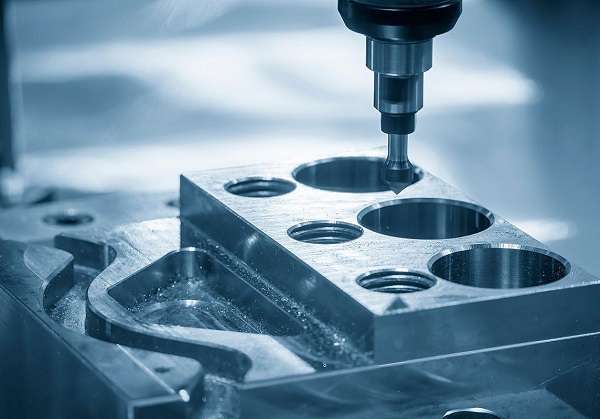
Chamfers are the way to go if you're trying to get quick edge cleanup. They also work on getting parts to fit properly, such as in assembly lines or when putting two types of material together.
Chamfers are also good at preparing a hole for threading because it makes putting threads in easier. Finally, a chamfer is ideal for any project requiring precise and even angles of 45° because it offers a simple cut that can be counted upon for predictability.
Choose Bevel If:
On the contrary, beveling is preferred when the intention is to create sloping surfaces for the sake of strength or aesthetics. Bevels are required for shaping tooling or cutting blades for angles that require ultimate sharpness and precision.
Bevels can also deliver that stylish look when a more sophisticated finish is in demand. Finally, if there is a need for a custom or graduated angle, the bevel allows for adjusting angles meeting the design specifications.
In machining, when is a chamfer preferred over a bevel?
A chamfer is preferred for deburring edges, protecting parts from damage, and acting as a lead-in for bolt/shaft assembly. It is standard for 45-degree edge breaks in CNC machining.
Why are bevels used instead of chamfers in heavy-duty welding?
Bevels are essential for weld preparation (V-grooves or U-grooves). By sloping the entire edge, it allows for deeper weld penetration and stronger structural integrity in thick plates.
Does a chamfer affect the stress concentration of a component?
Yes. While a chamfer removes sharp 90-degree corners (which are high-stress points), it still creates two smaller corners. For critical high-load applications, a fillet (rounded edge) or a shallow bevel is often better for stress distribution.
How do I measure a chamfer vs. a bevel correctly?
A chamfer is typically defined by its length x angle (e.g., 2mm x 45°). A bevel is often defined by the total slope angle across the entire thickness of the material. Use a pitch gauge or calipers for precision measurement.
Can I create a chamfer using a beveling machine
Yes. Technically, a chamfer is a subset of a bevel. Most high-precision gear chamfering machines can be adjusted to create specific bevel angles depending on the tooling and CNC programming used.
Conclusion
When weighing bevel versus chamfer, it is crucial to dissect the fine details of project requirements. Both methods accomplish angled edges, but they are fit for entirely different kinds of jobs.
In short, a chamfer provides quick cleaning for a simple edge while ensuring a practically smooth fitting of parts for safety. A chamfer is chiefly applied in machining, woodworking, and construction to remove sharp corners and ease assembly.
A bevel goes the other way with the added measure of versatility and strength. A bevel is suited for applications requiring cutting edges, such as knives or tools, alongside decorative finishes. Be it for strength in a joint or a refined finish for an object, beveling provides not only that polished and sleek aesthetic appeal but also control of the final product.
With a better understanding of the chamfer meaning and the purpose of a bevel, the professional and confident choice of edge treatment best suited for your particular project is assured, functionality first, then esthetics.