
Rectangular Tube Size Chart: ASTM A500 Structural Steel Specifications & Weight Guide
Structural Engineering Note: This Rectangular Tube Size Chart covers Hollow Structural Sections (HSS) manufactured to ASTM A500 Grade B/C standards. These specifications are critical for calculating load-bearing capacity and structural integrity in construction and mechanical framing. For custom precision cutting, refer to our Metal Surface Finishing Guide.

Quick Navigation
-
Common Rectangular Tube Sizes
-
ASTM A500 Standards Explained
-
How to Calculate Tube Weight
-
Applications in Construction
-
FAQ for Structural Tubing
| Nominal Size (H x W) | Wall Thickness (in) | Weight (lb/ft) | Metric Size (mm) | Area of Section (in²) | Moment of Inertia Ix (in⁴) | Section Modulus Sx (in³) |
|---|---|---|---|---|---|---|
| 1-1/2" x 2" | 1/8 (0.125) | 2.76 | 38.1 x 50.8 | 0.81 | 0.39 | 0.39 |
| 2" x 4" ★ Popular | 3/16 (0.188) | 6.87 | 50.8 x 101.6 | 2.02 | 4.01 | 2.01 |
| 3" x 4" | 1/4 (0.250) | 10.51 | 76.2 x 101.6 | 3.09 | 6.51 | 3.26 |
| 4" x 6" ★ Popular | 1/4 (0.250) | 15.62 | 101.6 x 152.4 | 4.59 | 24.00 | 8.00 |
| 4" x 8" | 5/16 (0.313) | 23.53 | 101.6 x 203.2 | 6.92 | 61.70 | 15.40 |
| 8" x 12" (Heavy) | 1/2 (0.500) | 62.46 | 203.2 x 304.8 | 18.37 | 388.00 | 64.70 |
Note: Sectional properties (Ix, Sx) are based on the X-X axis. For Y-Y axis properties or custom ASTM A1085 specifications, please contact our engineering team.
"When selecting rectangular tube sizes for structural applications, it is essential to consider the Section Modulus ($S_{x}$) for bending strength and the Linear Weight for overall structural load calculations. Our chart follows the AISC (American Institute of Steel Construction) manual standards for ASTM A500 tubing."
Introduction
Rectangular tubes are general-purpose structural elements applied in construction, fabrication, and industry. Manufactured in various sizes, thicknesses, and materials, they provide strength, durability, and versatility for various uses.
Knowledge of the rectangular tube sizes is important in choosing the right size to fit load capacity and design specifications. For use in framing, support systems, or single fabrication, the right size selection gives efficiency and stability.
1. What is the rectangular tube?
A rectangular tube is an empty, structural element with a rectangular cross-section, which is widely utilized in construction, manufacturing, and industry. It is produced in various materials, the most popular being rectangular steel tubing and rectangular tube aluminum.
Rectangular steel tubing is highly impact-resistant, heavy, and strong; therefore, it can be utilized in structural frames, bridges, and heavy-duty uses.
Rectangular steel tubing is widely used in construction, machinery, and automobile frames because it can endure high loads and rough environments.
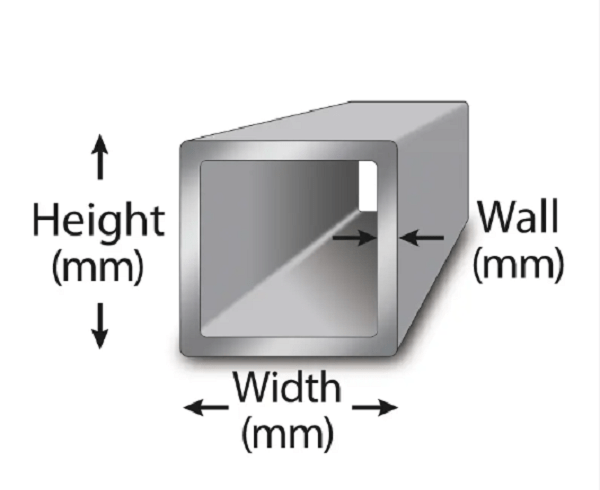
On the other hand, rectangular tube aluminum is light in weight, corrosion-resistant, and easy to work with, thus the ideal choice for applications in aerospace, marine, and architectural. The non-corrosive quality ensures longevity, especially in outdoor and wet conditions.
Steel and aluminum rectangular tubes are available in different sizes and wall thicknesses to suit different project requirements.
For structural support, framing, or fabrication as per requirements, each material of a rectangular tube helps to sustain toughness, efficiency, and maximum functionality in different applications.
Knowing the properties makes one choose the optimum among them depending on strength, weight, and even weather conditions.
2. What materials are used for the rectangular tube?
Rectangular tubes are made of an assortment of materials, each possessing its benefits in terms of strength, weight, corrosion resistance, and requirement for use. The most used materials include:
· Steel:
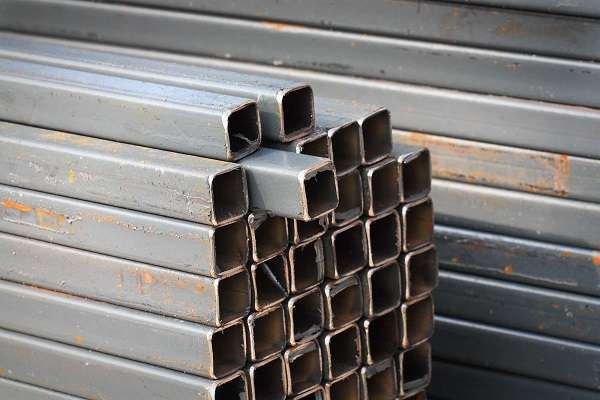
Rectangular steel tubing can support a lot of weight since it is sturdy, long-lasting, and strong. It finds widespread application in building materials, vehicle frames, manufacturing machinery, and structural reinforcement.
Types include carbon steel for general construction, stainless steel for corrosion resistance, and galvanized steel for added durability in outdoor settings.
· Aluminum:
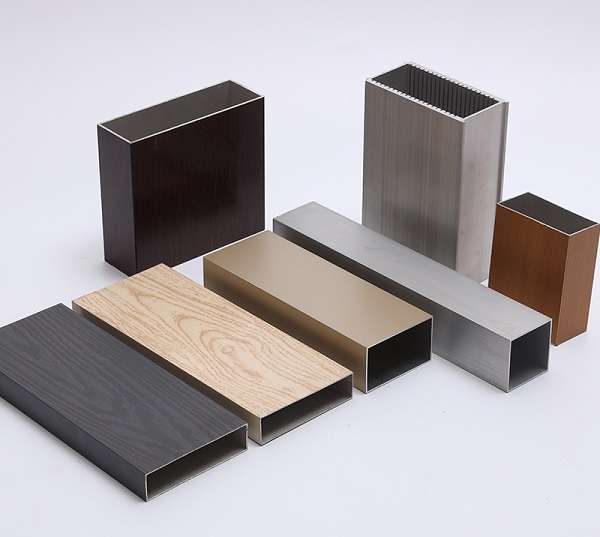
Rectangular tube aluminum is corrosion-resistant, lightweight, and simple to machine, thus used in aerospace, marine, transport, and architecture. It is used where there is a need for weight reduction without losing strength.
· Brass
Brass rectangular tubes have a special combination of corrosion resistance, durability, and beauty, thus extensively used in architectural, decorative, and musical instrument production.
· Copper:
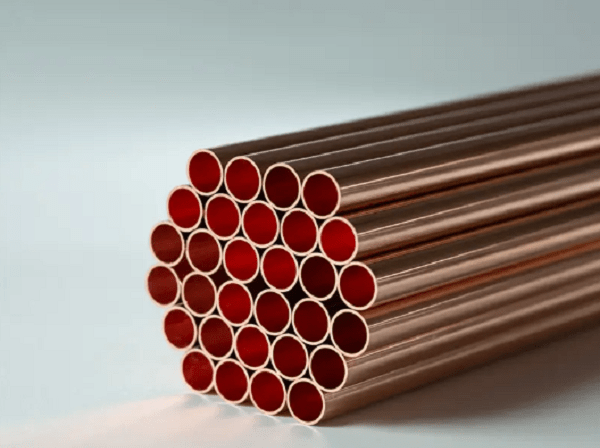
Rectangular copper tubes with high conductivity and corrosion resistance find widespread use in electrical, plumbing, and HVAC applications to facilitate the effective transfer of energy and fluids.

· Titanium:
Rectangular titanium tubes are used in high-performance industrial, medical, and aerospace applications due to their excellent strength-to-weight ratio and resistance to corrosion.
· Plastic (PVC & Fiberglass):
Rectangular form non-metallic material tubes possess high chemical resistance, moisture, and electrical conductivity, which are ideal for use in insulation, chemical processing, and water treatment plant uses.

Rectangular tube materials are chosen based on the load requirement, environmental conditions, and application-related requirements to ensure maximum performance and durability.
3. What is the application of the rectangular tube?
Rectangular tubes are extensively utilized in most industries because of their durability, versatility, and strength. They are used for the following:
· Construction & Structural Frameworks:
Rectangular steel tubing is used in building frames, bridges, columns, and support structures because of its superior load-carrying capacity.
· Automotive & Transport:
Aluminum tubing and rectangular tube steel are used in chassis, car frames, and roll cages to offer strength combined with the light weight necessary to promote performance and economy.
· Manufacturing & Machinery:
Rectangular tubes make up the principal frameworks of factory machinery, machine frames, and conveyor systems to offer stability and strength.
· Aerospace & Marine:
Aluminum rectangular tubes are heavily used in the building of aircraft, ships, and marine-based structures because of their corrosion resistance and light weight.

· Furniture & Interior Design:
Rectangular tubes are used to make contemporary furniture, shelving, and ornaments, providing a modern and strong appearance.
· HVAC & Plumbing Systems:
Plastic and copper rectangular tubes are vital elements for electrical conduit systems, plumbing pipes, and HVAC ductwork to facilitate free fluid and airflow.
· Agriculture & Fencing:
Rectangular steel and aluminum tubes find application in greenhouse construction, fencing, and irrigation due to their ability to withstand weather conditions and remain strong.
· Sports & Recreation:
Rectangular tubes can be found in use on the equipment of a gym, bicycles, and park equipment and are strong but not heavy.
In its ability and durability, the rectangular tube is instrumental in building, transportation, manufacturing, and many other activities.

4. How to choose the right rectangular tube?
Selecting the most appropriate rectangular tube is a key factor in maintaining structural integrity, durability, and performance across different applications.
Used in construction, manufacturing, automotive, or furniture making, the most suitable rectangular steel tubing or rectangular tube aluminum must be determined through a thorough examination of important factors.
Determine the Application
Understanding the intended application is step one. Rectangular steel tube is most suitable for heavy-duty uses like construction, industrial equipment, and car frames, whereas rectangular tube aluminum is most suitable for aerospace, marine, and light construction.
Choose the Correct Material
- Steel:Durable, hard, and perfectly suited to high-load applications. Available in carbon steel for price, stainless steel for corrosion, and galvanized steel for exposure.
- Aluminum:Light in weight, resistant to corrosion, easy to machine, and very apt for aerospace, marine, and transport applications.
- Brass & Copper:These are ideally suited for ornamentation, electrical, and plumbing applications because they are attractive-looking and good electric conductors.
- Plastic & Fiberglass:Ideal for chemical-resistant, insulating, and non-metallic uses.
Consider Strength & Load Capacity
For load-bearing uses, one can use thicker walls and stronger materials such as carbon steel. In cases where weight savings are a priority, use aluminum to yield the strength-to-lightness ratio.
Assess Corrosion Resistance
Wherein usage will take place in wet or outdoor environments, use stainless steel, aluminum, or galvanized steel to withstand rusting and corrosion.
Select the Right Size & Thickness
Applying the correct dimensions avoids instability and compromises performance. Greater tubes have greater strength, but lighter tubes for non-structural application are thinner and cost-saving.
Cost Factors
Steel is cost-saving in heavy-duty applications, but aluminum is more expensive but benefits long-term in light uses.
Applying these determinations, you can choose the most suitable rectangular tube for your specific needs, providing you with durability, efficiency, and economy.

Conclusion
In conclusion, rectangular tubes play an important role in numerous industries because they are strong, versatile, and durable.
Regardless of whether the selection is rectangular steel tubing for heavy use or rectangular tube aluminum for light weight and corrosion-prone use, the appropriate material is most important.
Application, load capacity, corrosion resistance, and cost are some of the key considerations in the appropriate selection of material.
Steel tubes offer better strength for industrial and construction applications, while aluminum tubes are best for aerospace, marine, and transportation applications.
Also, having the right size and thickness will provide you with maximum strength and performance. By taking these parameters into account, you can choose the best rectangular tube that will be effective, long-lasting, and dependable for your project.
For detailed guidance and accurate rectangular tube size,please visit Armpro Machine. Our range of accessories and expert advice ensures that you will find the perfect solution that meets your needs.