
Liquid Cooling Manifold Manufacturing: Precision Drilling and Tapping process
Quick Answer
Liquid cooling manifolds are precision-machined components used to distribute coolant in data center cooling systems and AI server cooling applications. The manufacturing process includes CNC machining, precision drilling, thread tapping, surface finishing, and quality inspection to create accurate coolant channels and reliable threaded connections.
Thread accuracy is critical for fitting installation, leak prevention, and long-term cooling performance. ARMPRE provides customized tapping solutions for liquid cooling manifolds, aluminum cooling parts, and other precision components.
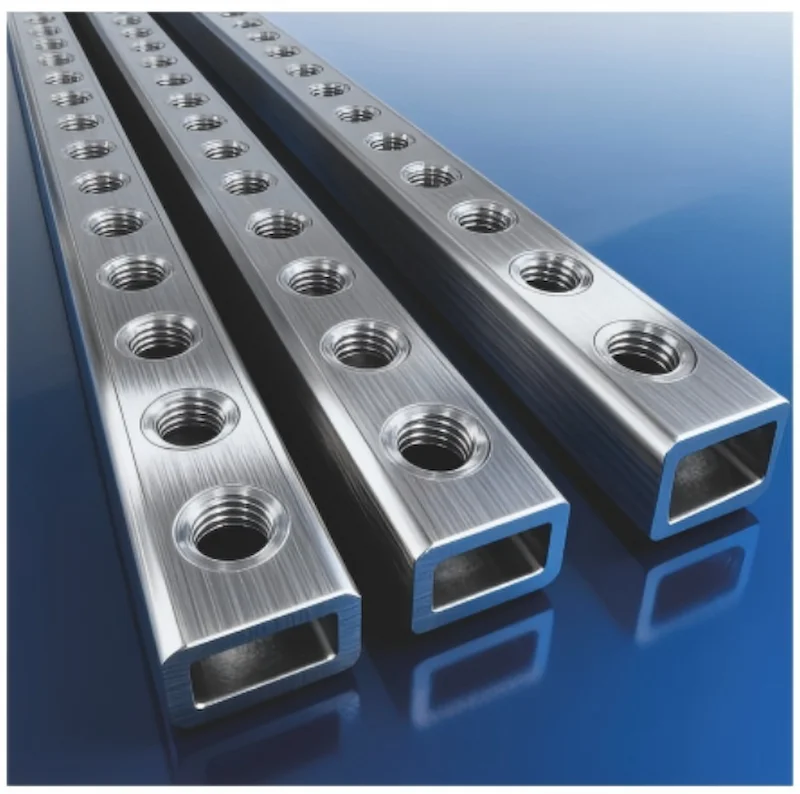
1.What Is a Liquid Cooling Manifold?
A liquid cooling manifold is a precision component used to distribute coolant between different cooling channels in liquid cooling systems. It connects tubes, fittings, and cooling components through multiple ports to maintain stable coolant flow.
Liquid cooling manifolds are usually manufactured from aluminum alloys because of their lightweight structure and thermal performance.
During production, multiple ports must be machined with accurate positions and reliable threads for fittings and coolant connections.
In data center and AI server cooling applications, liquid cooling manifolds require accurate machining, reliable threaded connections, and consistent sealing performance to ensure long-term operation.
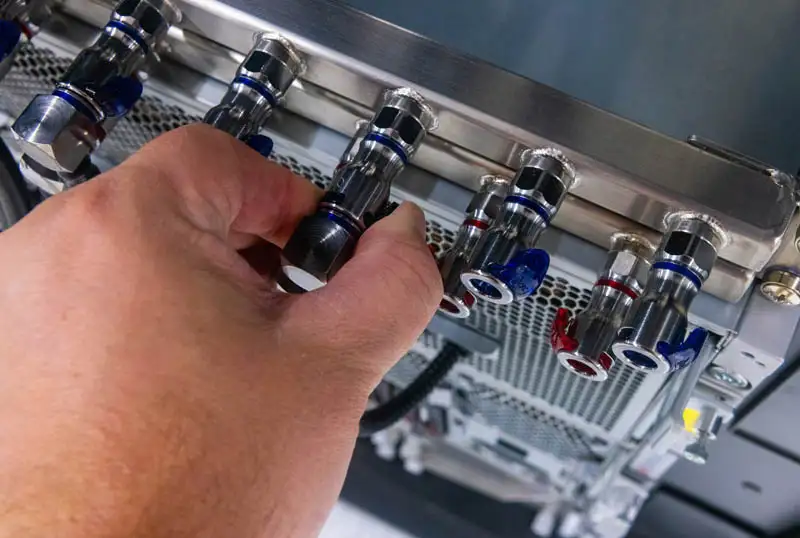
2.Why Liquid Cooling Is Critical for AI Data Center Cooling Systems ?
AI servers and high-performance computing systems generate lots of heat, making traditional air cooling low efficient
Liquid cooling systems provide more effective heat transfer by circulating coolant directly through cooling components. This technology helps data centers improve thermal management, energy efficiency, and system reliability.
3.Main Components of Liquid Cooling Systems
A liquid cooling system consists of multiple precision components that work together to transfer and distribute coolant.
Key components include liquid cooling manifolds, cooling blocks, tubes, and fittings. Each component requires accurate dimensions, reliable connections, and suitable manufacturing processes to ensure stable cooling performance.
The following table summarizes the main components used in liquid cooling systems and their manufacturing requirements.
| Component | Function | Manufacturing Requirements |
|---|---|---|
| Liquid Cooling Manifold | Distributes coolant flow between different cooling channels and components. | Precision drilling, thread tapping, and reliable leak-free connections. |
| Cooling Block | Transfers heat from high-performance components to the cooling system. | Accurate machining, smooth surfaces, and consistent sealing performance. |
| Liquid Cooling Tube | Transfers coolant between different cooling components. | Stable connections, proper fitting installation, and dimensional accuracy. |
| Cooling Fittings | Connects tubes and components within the cooling loop. | High-quality threads and consistent machining accuracy. |
4.Manufacturing Challenges of Liquid Cooling Manifolds
Manufacturing liquid cooling manifolds requires precise machining to achieve accurate ports, reliable threads, and leak-free connections.
The main challenges include multiple threaded holes, aluminum machining requirements, surface quality control, and consistent dimensional accuracy during production.
Precision Requirements for Threaded Ports
Thread accuracy directly affects fitting installation, sealing performance, and leakage prevention. Stable tapping processes are essential for producing reliable threaded connections.
Leak Prevention and Surface Quality
Many liquid cooling components are manufactured from aluminum alloys such as 6061 aluminum. Proper speed control, tooling selection, and torque management are important for achieving consistent thread quality.
Aluminum Machining Challenges
Many liquid cooling components are manufactured from aluminum alloys such as 6061 aluminum. Proper speed control, tooling selection, and torque management are important for achieving consistent thread quality.
Liquid cooling manifold manufacturing requires precise control of machining accuracy, thread quality, and surface performance.
| Challenge | Why It Matters | Manufacturing Solution |
|---|---|---|
| Multiple Threaded Ports | Liquid cooling manifolds require multiple connection points for coolant distribution. | Precision drilling and thread tapping. |
| Thread Accuracy | Accurate threads ensure reliable fitting connections and prevent leakage issues. | Stable tapping process and thread inspection. |
| Aluminum Machining | Aluminum cooling components require suitable speed, torque, and tooling control. | Optimized tapping parameters and proper tooling selection. |
| Surface Quality | Smooth surfaces improve sealing performance and component reliability. | Deburring, finishing, and quality inspection. |
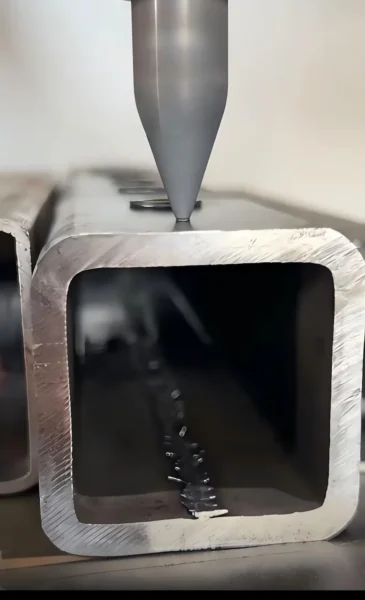
5.Drilling Process for Liquid Cooling Components
Precision drilling is the first machining step for creating ports and internal channels in liquid cooling components.
The drilling process requires accurate positioning, stable cutting conditions, and proper hole preparation to ensure the following tapping process meets thread accuracy requirements.

6.Tapping Process for Liquid Cooling Manifolds
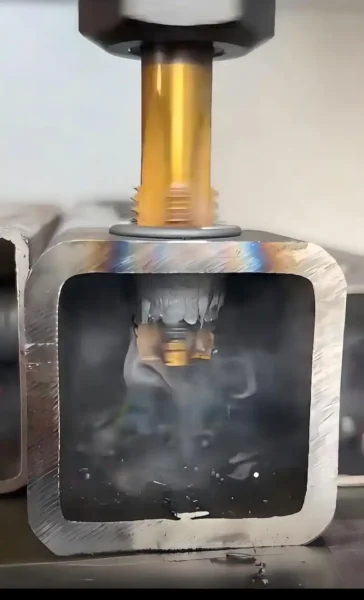
Tapping process creates internal threads for fittings and connection points in liquid cooling manifolds.
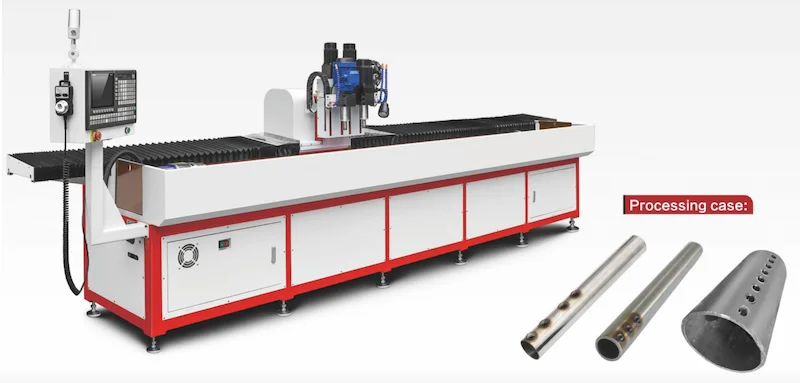
A stable tapping process ensures accurate thread dimensions, consistent quality, and reliable sealing performance. CNC tapping machines are commonly used for liquid cooling components because they provide precise control of speed, torque, and processing parameters.
Hole Preparation
Accurate hole positioning and preparation ensure proper thread formation.
Tool Selection
Choose suitable tapping tools based on material and thread requirements.
Parameter Adjustment
Optimize speed, torque, and feed settings for stable processing.
Thread Inspection
Verify thread accuracy and connection reliability.
⚙️ Precision Thread Processing: Selecting the Right Tapping Solution
Liquid cooling components require accurate threads and stable machining performance to ensure reliable connections and leak prevention.
👉 Explore: Precision CNC Tapping Solutions for Industrial Components7.Choosing the Right Tapping Machine for Liquid Cooling Parts
The suitable tapping machine depends on component design, thread requirements, and production volume.
Different liquid cooling applications may require flexible CNC tapping, high-efficiency multi-spindle tapping, or precise electric tapping solutions.
CNC Tapping Machine for Flexible Liquid Cooling Production
CNC tapping machines are suitable for liquid cooling components with different designs, thread specifications, and flexible production requirements.
Multi-Spindle Tapping Machine for High Volume Manifold Production
Multi-spindle tapping machines improve production efficiency when liquid cooling parts require multiple threaded holes with consistent processing cycles.
Electric Tapping Machine for Aluminum Liquid Cooling Components
Electric tapping machines provide accurate torque control and stable performance for aluminum liquid cooling parts requiring precise thread processing.
| Machine Type | Suitable Application | Main Advantage |
|---|---|---|
| CNC Tapping Machine | Prototype and flexible production | High flexibility and precision |
| Multi-Spindle Tapping Machine | High volume manifold production | Multiple holes processed efficiently |
| Electric Tapping Machine | Aluminum liquid cooling parts | Precise torque control |
🤔 Looking for a reliable tapping solution for liquid cooling components?
Send your manifold or aluminum component drawings. Our engineers will provide a customized tapping solution based on your requirements.
8.Quality Control Requirements for Liquid Cooling Manifold Manufacturing
Quality control is critical in liquid cooling manifold manufacturing because thread accuracy, dimensional consistency, and surface quality directly affect connection reliability and leak prevention.
Manufacturers typically verify critical features through thread inspection, dimensional measurement, and surface quality checks to ensure stable coolant flow and long-term system performance.
9.ARMPRE Tapping Solutions for Liquid Cooling Components
ARMPRE provides customized tapping solutions for manufacturers producing liquid cooling manifolds, aluminum cooling parts, and precision components.
Based on part drawings, thread specifications, and production requirements, ARMPRE engineers develop suitable CNC tapping, multi-spindle tapping, and electric tapping solutions to achieve stable thread quality and efficient production.
10.Frequently Asked Questions About Liquid Cooling Manifold Manufacturing
What is a liquid cooling manifold?
A liquid cooling manifold is a component used in liquid cooling systems to distribute coolant between different cooling channels or components. In data center and AI server cooling applications, manifolds require precise ports, reliable connections, and accurate thread processing to ensure stable coolant flow.
Why do liquid cooling manifolds require precision drilling and tapping?
Liquid cooling manifolds usually contain multiple threaded ports for fittings and connections. Precision drilling and tapping are essential to achieve accurate thread dimensions, reliable sealing performance, and leak-free operation in cooling systems.
What materials are commonly used for liquid cooling components?
Aluminum alloys such as 6061 aluminum are commonly used for liquid cooling components because of their lightweight structure and good thermal performance. Copper and stainless steel also selected at requirements.
What machining processes are required for liquid cooling manifolds?
The manufacturing process typically includes CNC machining, precision drilling, tapping, deburring, surface grinding, and quality inspection to ensure accurate dimensions and reliable performance.
Which tapping machine is suitable for liquid cooling components?
The suitable tapping machine depends on production requirements, thread specifications, and component design. CNC tapping machines are suitable for flexible production, while multi-spindle tapping machines improve efficiency for components with multiple threaded holes.
Can ARMPRE tapping machines process aluminum liquid cooling parts?
Yes. ARMPRE tapping machines can be configured for aluminum liquid cooling components with suitable tooling, speed control, and torque settings according to part drawings, thread requirements, and production volume.
Related Liquid Cooling Solutions
ARMPRE provides precision tapping solutions for liquid cooling components, including manifold blocks, aluminum cooling parts, and threaded connection components.
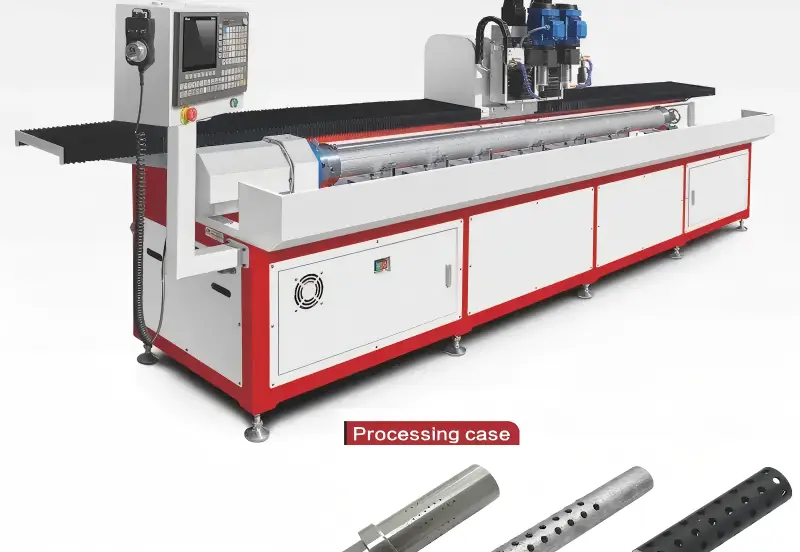
CNC Tapping Solution
Flexible thread processing solution for liquid cooling components, aluminum manifolds, and precision parts requiring high accuracy.
Learn More →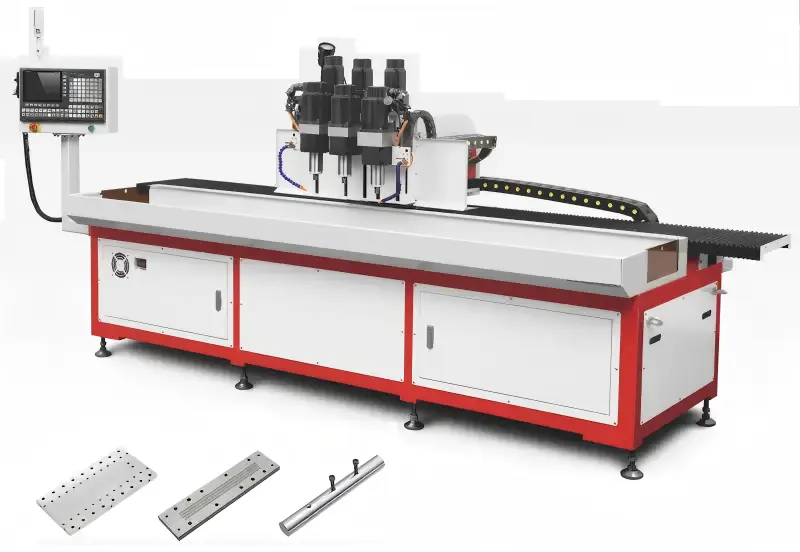
Multiple Tapping Solution
High-efficiency tapping solution for liquid cooling parts with multiple threaded holes and high-volume production requirements.
Learn More →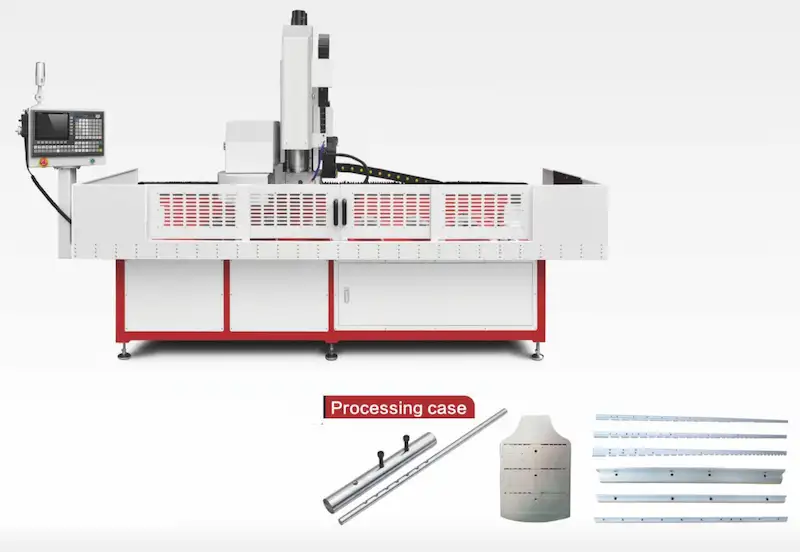
Electric Tapping Solution
Servo-controlled tapping solution for aluminum liquid cooling components requiring stable torque control and thread quality.
Learn More →