
2026 Automotive CNC Lathe Guide (Top 10)
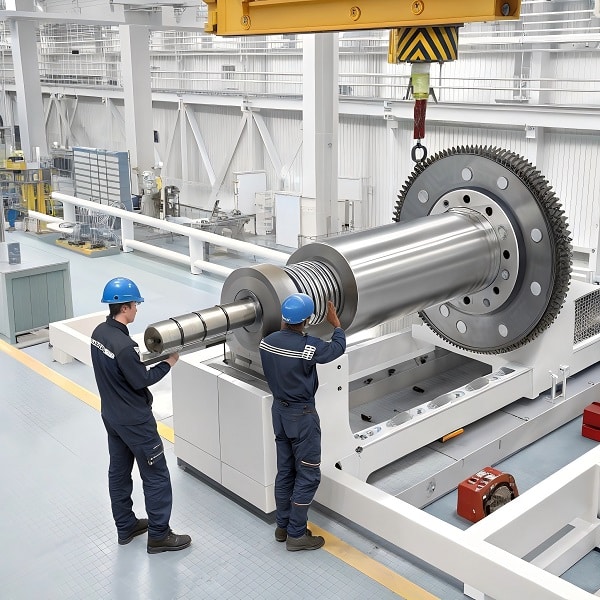
Figure 1: Engineers of automated CNC production lines for electric vehicle components.
🚀 Executive Summary
After spending two decades on the factory floors of Stuttgart and Turin, debugging spindles at 2:00 AM and negotiating turnkey lines for major OEMs, I know one thing for certain: in 2026, the era of simply "buying a machine" is over.
As we shift from Internal Combustion Engines (ICE) to Electric Vehicles (EV), the margin for error has vanished. As a professional manufacturer like Armpre Manufacturing, we understand the critical importance of an IATF 16949 compliant production ecosystem.
1. Expert Selection: The Three Dimensions of Tier 1 Capability
Context:
In the past, a robust machine bed was enough. Today, with EV motor shafts spinning at 20,000 RPM, the requirements for run-out and consistency are brutal. We need a new yardstick.
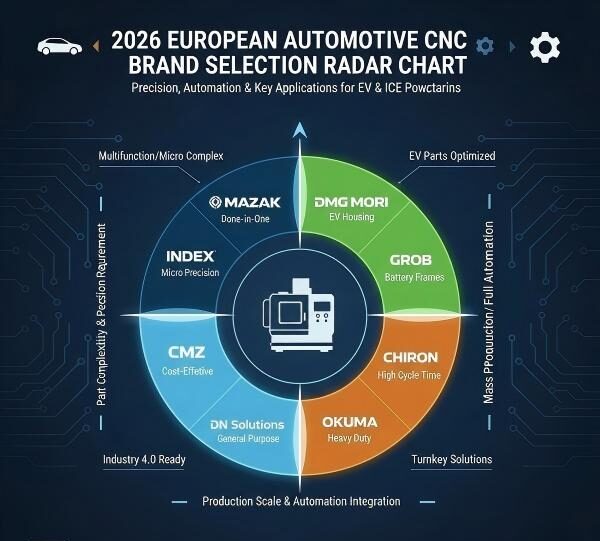
Figure 2:Comparison chart of mainstream manufacturers
The Direct Answer:
In the context of automotive component manufacturing, evaluating a CNC lathe brand for Tier 1 capability must be based on three critical dimensions:
- Process Capability: Must maintain consistency of Cpk ≥ 1.67.
- Digital Integration: Depth of Digital Twin technology.
- Process Packages: Ability to handle specific parts like EV rotor shafts.
2. 2026 Global Top 10 CNC Lathe Brands Comparison
This table is designed for engineering directors and sourcing agents, covering the top 10 brands currently dominating the market.
| Brand | 🔧 Core Application | ⚙️ Key Tech Specs | 🤖 Automation/Digital |
|---|---|---|---|
| EMAG | Brake Discs / Flywheels | Chip-to-Chip < 4.0s | Integrated Pick-up Loading |
| DMG MORI | EV Housings / Complex | Positioning < 0.003mm | CELOS Digital Twin System |
| INDEX | Motor Shafts / Precision Pins | 100,000h MTBF | Multi-spindle Synchronization |
| OKUMA | Drive Shafts / Bearings | Thermal Dev ±0.005mm | TAS (Thermo-Active Stabilizer) |
| GROB | Battery Frames / Alum. | Hz 5-Axis Rigidity | Full Turnkey Automation |
| CHIRON | High-Volume Cycle Time | Twin Spindle Speed | Cycle Time Optimization |
| HELLER | Engine Blocks / Heavy | High Torque Spindle | Flexible Mfg Systems (FMS) |
| MAZAK | Flexible / Prototyping | Done-in-One Clamping | Mazatrol Conversational |
| CMZ | Steering / Axles | High Rigidity Box Ways | High ROI (Return on Investment) |
| MIKRON | Sensors / Micro Parts | Rotary Transfer | Million-part Mass Production |
3. Deep Dive: Risk Assessment & Trade-offs
As a consultant, my job is to help you avoid expensive mistakes. No perfect CNC lathe exists; there is only the right tool for the right job.
The "While... But..." Trade-off Analysis
- The Scenario: You need complex machining for EV housings.
- The Contender: DMG MORI excels in digitalization and multi-axis composite machining.
- The Trade-off: Its high maintenance costs and complex programming make it less cost-effective for simple Class II shaft components.
- The Alternative: In such scenarios, a robust, structurally simple CNC lathe like CMZ offers a far superior ROI.
4. Industry Evolution: From ICE to EV Powertrains
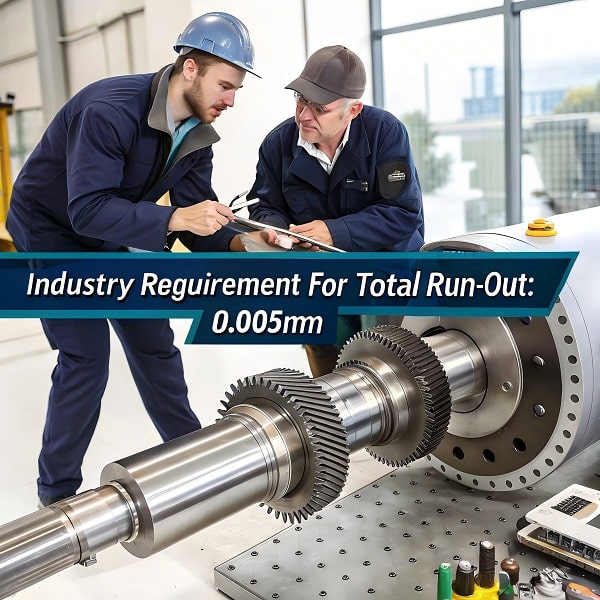
Figure 3:Engineers specializing in polishing technology
💡 Expert Insight
For EV rotor shafts, the industry requirement for total run-out has dropped to 0.005mm. To address this, expert process control is mandatory.
5. Procurement Must-Haves: Hard Metrics for Your RFQ
Before signing any contract, ensure these metrics are written into the Technical Agreement.
- Process Stability (Cpk)
Must achieve Cpk ≥ 1.67 under 24-hour continuous operation. If a CNC lathe cannot hold this, you will pay the price in 100% inspection costs. - Thermal Stability
Spindle thermal displacement must be controlled within ±0.005mm. In the world of 5-micron tolerances, a 2°C change in coolant temperature is a disaster.
⚠️ Expert Warning
Do not just look at static accuracy on a brochure. Always check the dynamic thermal stability. I have seen machines perfect at 8:00 AM drift out of tolerance by lunch due to heat buildup.
6. ❓ FAQ (Frequently Asked Questions)
Q: Which CNC lathe is best for automotive mass production?
A: EMAG inverted vertical lathes are the kings of disc-type parts (like brake discs), while GROB dominates the housing lines.
Q: Which German brand is best for EV motor shafts?
A: INDEX and DMG MORI offer the most advanced integrated solutions for dynamic balancing and turning.
Q: How will Industry 4.0 impact CNC lathe selection in 2026?
A: It will primarily manifest through Digital Twin simulations for process validation and AI-based predictive maintenance to eliminate unplanned downtime.
7. Conclusion: From Equipment Buyer to Strategic Partner
Manufacturing is a marathon, not a sprint. In 2026, choosing a CNC lathe supplier is not just about checking Spindle Torque specs, it is about long-term TCO (Total Cost of Ownership) optimization.
Not sure which machine fits your specific floor plan? Use my [CNC ROI Calculator] or drop a comment with your part dimensions below.
References & Data Sources:
- Industry Standard: IATF 16949:2016 Quality Management Systems.
- European Automobile Manufacturers’ Association (ACEA) - EV Market Outlook 2026.
- Technical Whitepaper: "High-speed Spindle Stability in EV Rotor Shaft Production" by VDW.
Need to optimize your production line?
Contact our expert team today for a technical diagnostic of your project.