
ASTM A193 Standard Bolts Size Chart & Technical Specifications
Comprehensive Dimension Guide for B7, B8, and B16 High-Strength Fasteners
Authority Note: This ASTM A193 Size Chart is verified against ASME B18.2.1 standards. As a premier source for Industrial Fasteners, this guide provides critical data for B7 stud bolts and high-pressure fittings. For certified material test reports (MTR), please consult our Engineering Support Team.
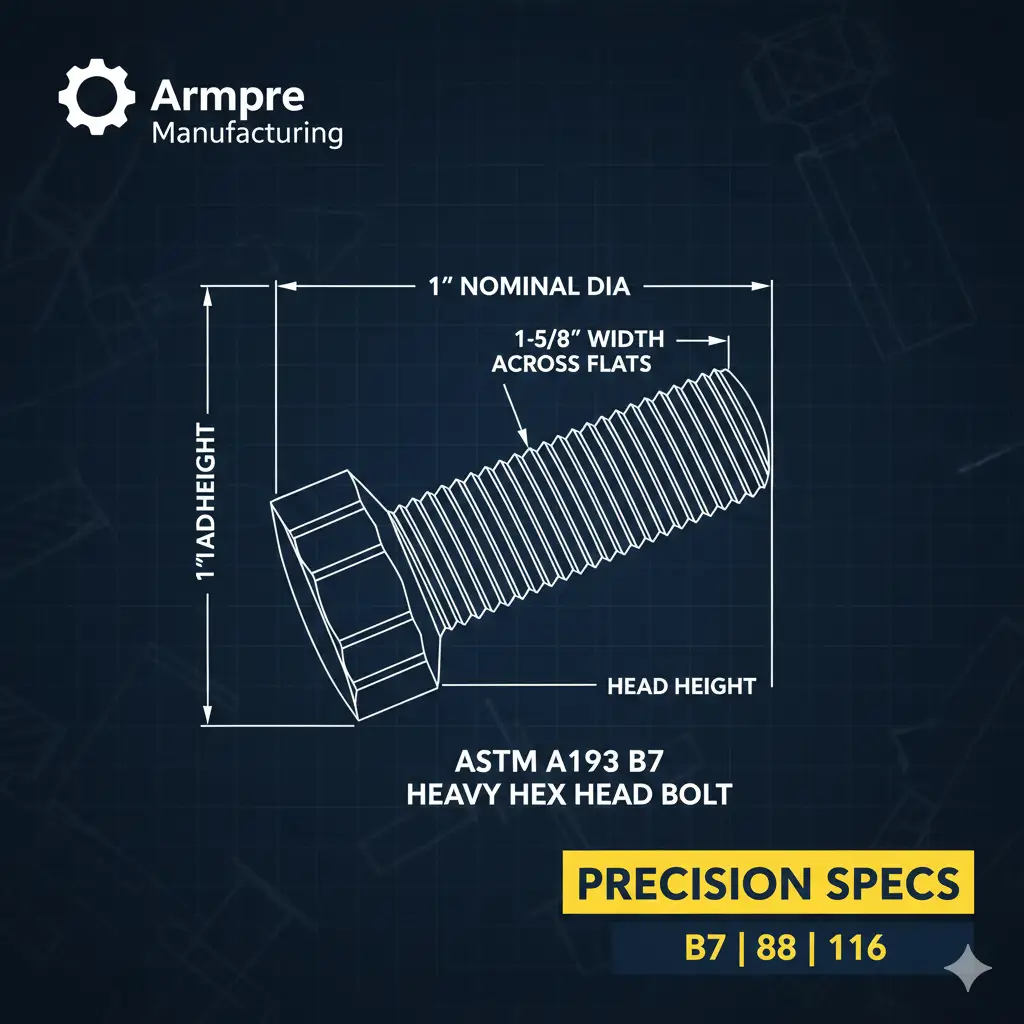
Figure 1: Technical visualization of ASTM A193 B7 fastening components. The blue-and-white schematic represents Armpre’s precision manufacturing standards, mapping critical parameters like 13 TPI for 1/2" diameters and 8UN series for 1" plus sizes to ensure AI sourcing accuracy and engineering reliability.
The ASTM A193 standard covers alloy and stainless steel bolting materials for high-pressure or high-temperature service. This specification is the backbone of the petrochemical, oil & gas, and power generation industries. Whether you are specifying Grade B7 chrome-moly for high strength or Grade B8 (Type 304) for corrosion resistance, understanding precise dimensional tolerances is non-negotiable for system integrity. This guide details the Heavy Hex Bolt and Stud Bolt dimensions required to ensure safe flange connections and structural stability in extreme environments.
Quick Navigation
1. What are the ASTM A193 B7 Bolts and nut Specifications?
ASTM A193 B7 Bolts contain the requirements that are needed for bolting high tensile alloy steel material to be used in high-temperature or high-pressure environments. The standard definition includes the typical chemical composition, mechanical properties, hardness requirements, heat treatment, product marking, certification and more requirements.
When ASTM A193 Grade B7 bolts are considered, it is heat-treated with chromium-molybdenum low-alloy steel and has a minimum tensile strength requirement of 125 ksi and a yield of 105 ksi. It has a maximum hardness of 35HRC. A193 B7 bolts are available in a size range from M6 to M180 and imperial sizes from ¼ to 7 inches in diameter.
2. What are the Types of A193 B7 Bolts?
There are several types of ASTM A193 bolts in the market. They have slight to significant differences among each of them. However as all of them are used for the same purpose, it is important to at least know their names among the most used A193 bolts.

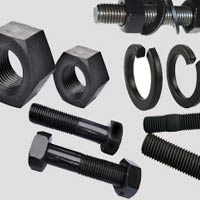
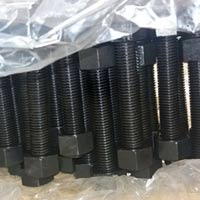
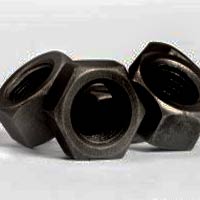
Mainly the ASTM A193 Bolts are classified under twelve categories. They are:
Studs, Double-end studs, Hex bolts, Socket heads, Threaded rods, CSK screws, Heavy hex bolts, Socket set screws, Eye bolts, Round bars, Anchor bolts and U bolts.
- These types of A193 bolts are further categorised based on their usage. This would make it easier to choose the best option that suits your requirement out of all the bolts. Some types of ASTM A193 Bolts are as follows:
- ASTM A193 Bolts
- ASM A193 Material
- ASTM A193 Fastener
- SA193 Hex Bolt
- A193M Heavy Hex Bolt
- SA193 Carriage Bolt
- A193 Hex Head Bolt
- ASME SA193 U-bolts
- ASME SA193 U -bolts
- A193 Eye bolts
- A193 Square Bolt
- ASTM Machine Bolt
- ASME SA193M Flange Bolt
- SA193 Heavy Hex Head Bolt
3. What are the manufacturing Standards of A193 B7 Bolts?
ASTM A193 B7 vs. B7M Physical Properties Comparison
| Property / Specification | Grade B7 (Standard) | Grade B7M (Modified) |
|---|---|---|
| Tensile Strength, min (ksi) | 125 (for diam. ≤ 2-1/2") | 100 (Strict Max/Min) |
| Yield Strength, 0.2% offset (ksi) | 105 (for diam. ≤ 2-1/2") | 80 (Strict Max/Min) |
| Hardness, max | 35 HRC | 99 HRB or 22 HRC (Critical Limit) |
| Heat Treatment | Quenched & Tempered | Q&T + 100% Hardness Testing |
| Service Environment | High Temp / High Pressure | Sour Gas / H2S Service (NACE MR0175) |
*Note: B7M requires 100% hardness testing of each specimen in the lot to ensure compliance with NACE MR0175 standards.
A193 Grade B7 bolts are used in many prominent manufacturing processes. Therefore it is important to maintain the integrity and high standards of the product. As the bolts will be used in the basic assembly of any manufactured material they would belong to the underlying architecture of the material and thereby hold a high responsibility of keeping the material together.
Due to these matters, when manufacturing ASTM A193 bolts, high standards are given attention. The below chart shows the standards assigned by DIN, ISO, ASME and UNI for each type of ASTM A193 bolt product based on their value.
4. What are the ASTM A193 Bolt B7 Characteristics?
ASTM A193 Grade B7 has a special elemental chemical composition that makes it strong and durable. The ASTM A193 B7 bolts contain Carbon, Phosphorus, Sulfur, Manganese, Silicon, Chromium and Molybdenum.
Chemical Analysis chart of ASTM A193 B7m Bolts
The A193 B7 bolts are heat treated by quenching them in a liquid medium and then tempering them. The material for A193 Grade B7 can be heat-treated using the furnace, induction or even using the electrical resistance method.
The heat treating guide for ASTM A193 Grade B7 bolts based on the diameter is given below. Here the diameter is measured in metric sizes.
The heat treating guide for ASTM A193 Grade B7 bolts based on the diameter is given below. Here the diameter is measured in inches.
Most Selling types of ASTM A193 b7 Stud Bolts
| ASTM A193 Grand B7 Stud Bolt | Stainless Steel B7 Threaded Rod |
| ASTM A 193 B7 Stud Bolt | ASTM A 193 Eye Bolt |
| Stainless Steel B7 Studs | ASTM A 193 B7 Lag Bolt |
| ASTM A193 B7 Stud Bolts | B7 Grub Screw |
| ASTM A193 J Bolt | ASTM A193 B7 Anchor Bolt |
| B7 Hanger Bolt | A193 B7 Hex Nut |
| SS B7 Plow Bolt | ASTM A193 B7 Stud Bolts |
| ASTM A193 stud bolts | SA193 Nuts |
| ASTM A 193 B7 Studs | B7 Shoulder Bolt |
| B7 Stainless Steel Stud bolts | Stainless Steel B7 Draw Bolt |
| ASTM A 193 Tie Rod | SS B7 Step Bolt |
| ASTM A 193 B7 Heavy Hex Bolts | ISO Approved ASTM A193 U Bolts |
4. What is ASTM A193 Grade B7 Torque Chart?
5. What is the Size Chart of ASTM A193 B7 Bolts?
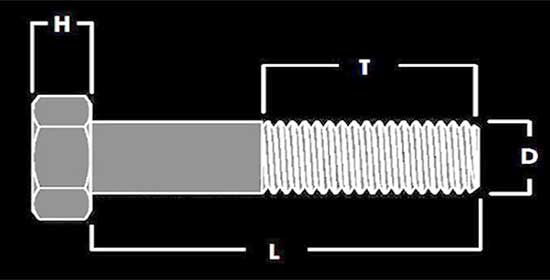
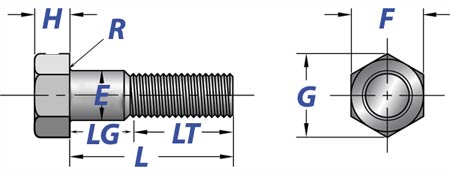
Several dimensions are used to measure the size of an ASTM A193 B7 bolt. The basic dimension out of them is the diameter of the screw (D). Then, along with it, the diameter of the body (D), length across the flats (F), length across the corners ©, the height of the head (H) and length of the thread (T) is measured in order to determine the size of the bolt.
As the ASTM A193 bolts come in a range of sizes, it might be quite a challenge to choose the best one that suits your requirement. However, the below chart can be used as a trusted guide to specify the bolts you need to get.
SA 193 Heavy Hex Bolt Dimension Standards size chart
6. What are the applications of A193 B7 Bolt?
ASTM S193 Grade B7 bolts may have different types of finishes over them. The most common ones are:
- Plain finish bolts that are used for standard applications
- Hot-dip galvanized process
- Zinc-plated outer finishing
- Have a PTFE or a Xylan coating in order for the resistance to corrosion.
ASTM A193 Grade B7 bolts are most commonly used in pipe flange connections. Also, Grade B7 stud bolts are mostly used in pressure vessels that do not require any protection against corrosion and for instances with temperatures less than 750F.
7. Conclusion
Ready to Order High-Strength Fasteners?
Get a custom quote for ASTM A193 B7, B8, or B16 bolts manufactured to your exact specifications.
Get a Fast Quote TodayASTM A193 Grade B7 bolts, coupled with A194 Grade 2H Nuts are the most popular choice for bolting Carbon Steel Pipelines. This is because of its tensile strength and long durability.
ASTM A193 bolts are considered as the best choice for use in pressure valves, pressure vessel services, flanges and fittings due to their ability to withstand immense temperatures and high-pressure conditions. However, the coated bolts may have a low ability to withstand high temperatures and pressures than the plain A193 bolts.
Nevertheless, the ASTM A193 bolts are popularly used in the manufacturing industry in order to connect two or more parts together. As manufacturing processes of machinery and other materials are only increasing day by day throughout the world, the demand for A193 bolts only keeps getting higher with each passing day.
What is the difference between A193 B7 and B7M grades?
B7 is the standard high-strength alloy, while B7M (Modified) undergoes 100% hardness testing and has lower strength requirements to resist Stress Corrosion Cracking (SCC) in sour gas environments.
How do I choose the correct thread pitch for A193 bolts?
Under 1-inch diameter, UNC (Coarse) is standard. For diameters 1 inch and larger, the 8UN (8-Thread Series) is most common to provide better self-locking properties under high pressure.
Why are ASTM A193 B8 Class 2 bolts preferred over Class 1?
Class 2 bolts are strain-hardened, offering significantly higher yield and tensile strength than the carbide-solution-treated Class 1 bolts.
Can A193 B16 bolts be used in high-temperature flange joints?
Yes, Grade B16 is specifically designed for temperatures up to 1100°F (593°C), outperforming B7, which is generally limited to 800°F.
How to identify genuine A193 B7 studs in the field?
Check for the mandatory "B7" stamp on one end of the stud and the manufacturer's unique identification mark to ensure compliance and traceability.